
Introduction
Have you ever grabbed a can of Prime Energy or Hydration and wondered what’s really inside? You see the colorful bottles and bold claims, but the label can be confusing. With all the talk about caffeine, sugar, and artificial sweeteners, it’s hard to know if it’s safe or worth it. I’ve been there too, trying to figure out if Prime is a healthy choice or just another energy drink hype.
In this post, we’ll break down 7 shocking Prime Nutrition Facts you must know. You’ll get a clear look at caffeine content, sugar, calories, electrolytes, and possible energy crashes. We’ll also compare Prime to traditional sports drinks and explain the health risks for teens and adults. By the end, you’ll understand the real impact of Prime drinks and how to make smart hydration choices.
Prime Nutrition Facts Revealed: What’s Really Inside the Bottle?
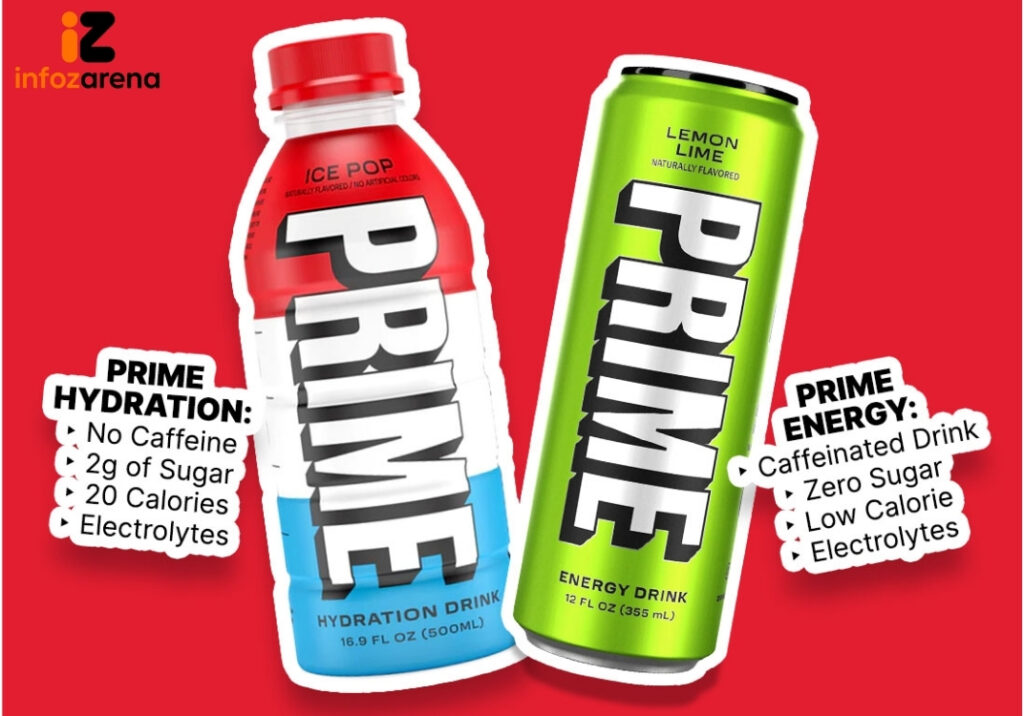
- Prime Nutrition Facts show that ingredients vary between Prime Hydration and Prime Energy.
- Prime Hydration is marketed as a zero sugar sports drink with added electrolytes.
- Prime Energy nutrition facts reveal about 200 mg caffeine per can.
- The caffeine content in Prime comes from added stimulants for an energy boost.
- Prime drink ingredients include coconut water from concentrate for hydration support.
- The ingredients list also shows B vitamins for energy metabolism.
- Prime drink nutrition facts highlight low sodium levels compared to traditional sports drinks.
- Artificial sweeteners like sucralose and acesulfame potassium replace added sugars.
- The calorie count in Prime Hydration is low, making it a low-calorie hydration drink option.
- Reading Prime Nutrition Facts carefully helps you understand electrolytes, sweeteners, and possible energy drink side effects.
Prime Hydration vs Prime Energy: Key Nutritional Differences
| Feature | Prime Hydration | Prime Energy |
| Product Type | Zero sugar sports drink | Sugar-free energy drink |
| Caffeine Content | 0 mg caffeine | 200 mg caffeine per can |
| Main Purpose | Hydration and electrolyte balance | Energy boost and mental focus |
| Electrolytes | Contains electrolytes like potassium | Limited electrolytes |
| Coconut Water | Coconut water from concentrate included | Not a primary ingredient |
| Sweeteners | Sucralose and acesulfame potassium | Sucralose and acesulfame potassium |
| Calorie Count | Low-calorie hydration drink (around 20–25 calories) | Very low calories (around 10–15 per can) |
| Sodium Levels | Moderate sodium levels for hydration support | Lower sodium, not designed for rehydration |
| B Vitamins | Present in small amounts | Higher B vitamins for energy metabolism |
| Target Use | Workout recovery drink and daily hydration | Pre-workout or stimulant-based energy drink |
Caffeine Content Breakdown: How Much Is Too Much?
When reviewing Prime Nutrition Facts, the biggest concern for many people is the caffeine content in Prime Energy. One can contains about 200 mg caffeine, which is considered high for a single serving. According to the FDA caffeine recommendation, most healthy adults should not exceed 400 mg per day. That means just two cans of Prime Energy can bring you close to the daily caffeine limit. This amount may be too strong for people with caffeine sensitivity or those who rarely drink energy drinks.
For teens and children, the safe caffeine limit is much lower. The American Academy of Pediatrics caffeine guidance discourages energy drinks for minors because of possible stimulant effects and heart risk. Too much caffeine can cause jitteriness, rapid heartbeat, anxiety, and sleep problems. Some people may also experience stimulant crash symptoms after the energy boost wears off. Reading Prime Nutrition Facts carefully can help you decide if the caffeine level fits your health needs and lifestyle.
Sugar, Sweeteners & Hidden Calories Explained
When you read Prime Nutrition Facts, you will notice that most Prime drinks are marketed as zero sugar sports drink options. Instead of added sugars, the ingredients list includes artificial sweeteners like sucralose and acesulfame potassium. These help reduce the calorie count in Prime, making it a low-calorie hydration drink. However, some people worry about artificial sweeteners health concerns and possible side effects. Even without added sugars, it is still important to check serving size, total calories, and daily sugar intake limits to make informed choices.
Sweeteners & Calories Overview
| Nutritional Factor | Prime Hydration | Prime Energy |
| Added Sugars | 0 grams | 0 grams |
| Artificial Sweeteners | Sucralose, Acesulfame Potassium | Sucralose, Acesulfame Potassium |
| Calorie Count | Around 20–25 calories | Around 10–15 calories |
| Sugar-Free Claim | Yes | Yes |
| Concern Area | Artificial sweeteners health concerns | High caffeine + sweeteners combination |
Energy Boost or Energy Crash? The Real Impact on Your Body
According to Prime Nutrition Facts, Prime Energy contains 200 mg caffeine, which can create a fast energy boost. The caffeine content in Prime works as a stimulant and may improve alertness and focus for a short time. Energy metabolism is also supported by the added B vitamins.Many people use it as a pre-workout option or during long work hours. However, strong stimulant effects can feel intense, especially for people with caffeine sensitivity.
After the boost, some users report a Prime energy crash. This can include fatigue, headaches, and difficulty concentrating. Stimulant crash symptoms may happen when caffeine leaves your system quickly. Unlike Prime Hydration, which focuses on electrolyte balance and dehydration prevention, Prime Energy is not designed mainly for hydration. Drinking too much may increase the risk of energy drink side effects like rapid heartbeat or sleep problems. Reading Prime Nutrition Facts carefully can help you decide if the energy boost is worth the possible crash.
Are Prime Drinks Safe for Kids and Teens? Health Concerns Examined
When reviewing Prime Nutrition Facts, safety for kids and teens is a major concern. Prime Hydration contains electrolytes and zero sugar, but Prime Energy includes 200 mg caffeine per can. That amount is high for young people. The American Academy of Pediatrics caffeine guidance warns that energy drinks are not recommended for minors. The safe caffeine limit for teens is much lower than the FDA caffeine recommendation for adults. High caffeine content in Prime Energy may increase heart risk, anxiety, and sleep problems in teenagers.
Parents should also look at the ingredients list carefully. Artificial sweeteners like sucralose and acesulfame potassium replace added sugars, but some families still worry about artificial sweeteners health concerns. Even if the calorie count in Prime is low, stimulant effects can impact growing bodies differently. Energy drink side effects such as rapid heartbeat and jitteriness may be stronger in kids. Reading Prime Nutrition Facts closely can help families make safer hydration choices.
Prime vs Traditional Sports Drinks: Which Is Actually Healthier?
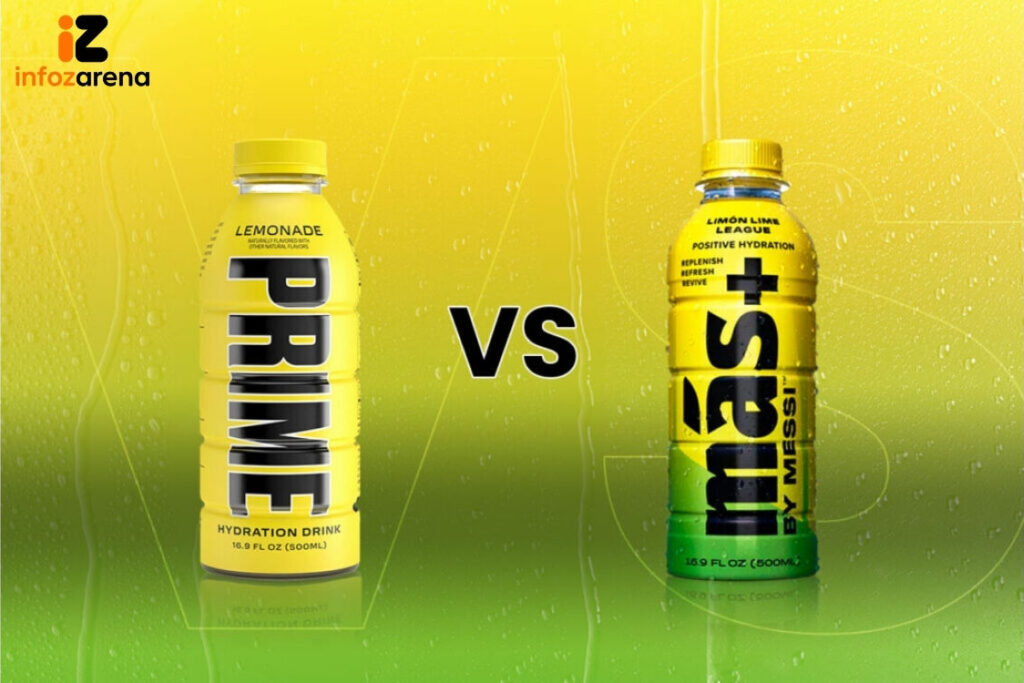
| Feature | Prime Hydration / Prime Energy | Traditional Sports Drinks (e.g., Gatorade, Powerade) |
| Sugar Content | 0 grams (uses sucralose & acesulfame potassium) | 20–30 grams of added sugar per serving |
| Calorie Count | Low-calorie (10–25 calories per can) | Higher calories (80–120 calories per serving) |
| Caffeine | 0 mg in Hydration / 200 mg in Energy | Usually 0 mg |
| Electrolytes | Contains potassium, sodium, and other electrolytes | Contains sodium and potassium, but often higher sugar |
| Artificial Sweeteners | Sucralose, Acesulfame Potassium | None (uses sugar) |
| B Vitamins | Present in Energy drink for metabolism support | Rarely added |
| Target Use | Hydration and energy boost | Hydration and workout recovery |
| Potential Side Effects | Possible caffeine crash, artificial sweeteners concerns | Sugar spike, energy dip after consumption |
Conclusion
After checking all the Prime Nutrition Facts, it’s clear that Prime drinks have benefits and risks. Hydration options are low in sugar and calories, while Energy drinks are high in caffeine and may cause an energy crash.
Understanding the ingredients, electrolytes, and caffeine levels can help you make smarter choices. Comparing Prime to traditional sports drinks shows that it can be healthier, but it’s important to watch caffeine intake and artificial sweeteners.
FAQs
1. Is Prime drink actually healthy?
It depends on the type—Hydration is low in sugar and calories, but Energy has high caffeine.
2. What are Prime drink nutrition facts?
Read the article above, the answer is present in “Prime Nutrition Facts Revealed: What’s Really Inside the Bottle?” section.
3. Is Prime drink high in sugar?
No, Prime drinks use artificial sweeteners and have zero added sugar.
4. How much sugar is in 100ml of Prime?
0 grams of added sugar per 100ml.
5. Prime drink
Read the article above, the answer is present in “Prime vs Traditional Sports Drinks: Which Is Actually Healthier?” section.

Hi, I’m Ahmed, the voice behind Infozarena. I love exploring topics that inspire growth — whether it’s about faith, health, or the latest in sports. My goal is to share valuable information that makes your everyday life better.