
Introduction
Cricket can be confusing if you don’t know where every player stands. You watch a match and wonder why some shots get stopped while others fly for runs. Understanding fielding positions can make the game much easier to follow. It also helps you see the strategy behind every move and placement.
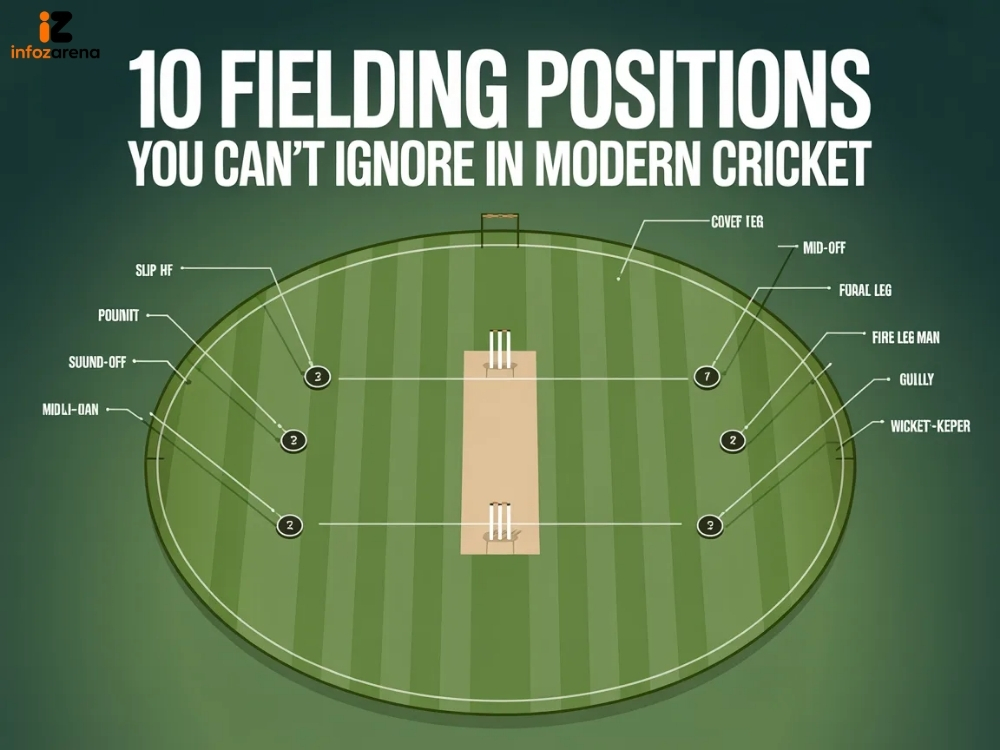
In this post, we will explain 10 fielding positions you can’t ignore in modern cricket. You’ll learn where each fielder stands and why it matters. We’ll cover modern cricket tactics, defensive strategies, and smart cricket field placement. By the end, you’ll understand these positions like a pro and see the game in a whole new way.
Slip Fielding Positions and Their Role in Modern Cricket
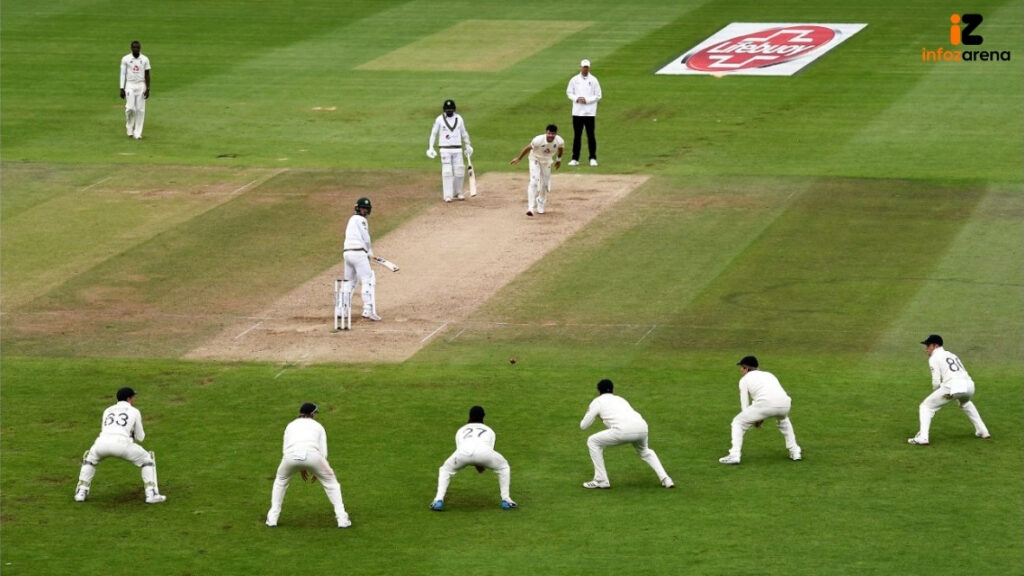
Slip fielding positions are very important in modern cricket. On the off side, they are placed behind the batter. These close catching positions are used to catch edges from fast bowlers. In international cricket, the slip cordon helps create early pressure. Good reflexes and sharp focus are required here. Slip fielders play a key role in attacking fielding strategies, especially in Test and powerplay overs.
Gully Fielding Position: The Modern Catching Hotspot
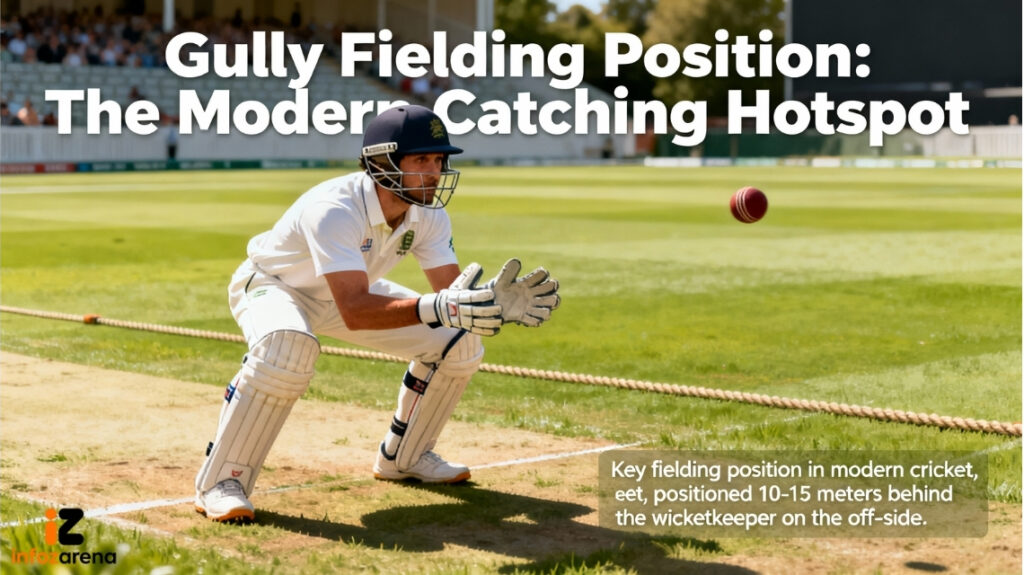
The gully is one of the most active fielding positions in modern cricket. It is placed next to the slips on the off side. This position catches edges that fly wider from the bat. In professional cricket, gully is known as a close catching hotspot. Quick reflexes and strong focus are essential here. The gully fielding position supports aggressive fielding setups and modern cricket tactics.
Point and Backward Point Fielding Positions Explained
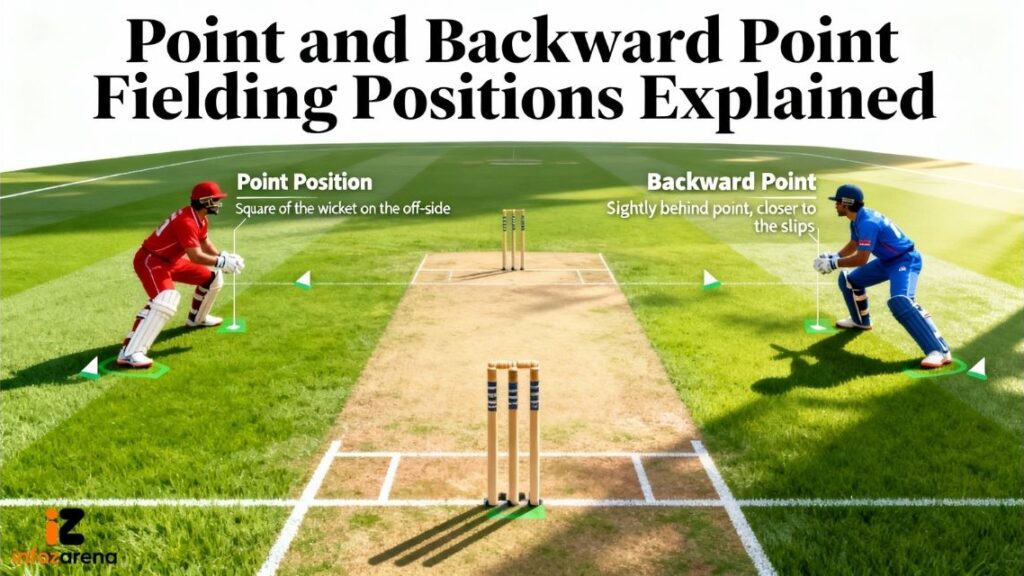
Point and backward point are key fielding positions on the off side. They stand square of the wicket. These positions stop cut shots and late shots. In modern cricket fielding, they help control runs in limited overs. Athletic fielders are often placed here. These off-side fielding positions are important for smart cricket field placement and defensive strategies.
Cover and Extra Cover Fielding Positions in Fast Formats
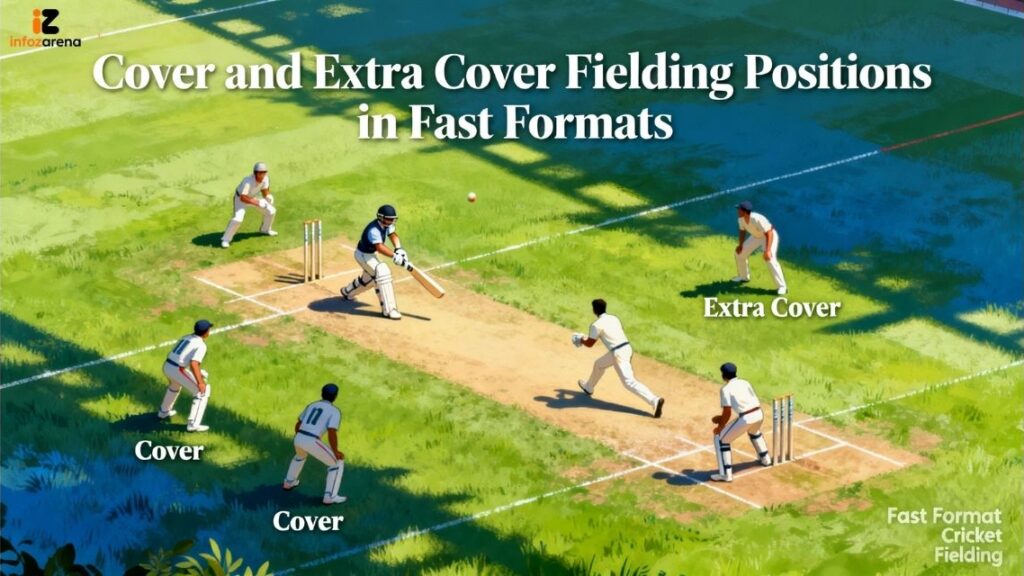
Cover and extra cover are important fielding positions in fast formats like T20 and ODI cricket. They are placed on the off side inside the circle. These positions stop strong drives and save quick runs. In modern cricket fielding, speed and agility are required here. Athletic infielders help apply pressure with smart cricket field placement. These positions support modern cricket tactics and run control.
Mid-Off and Mid-On Fielding Positions for Tactical Control
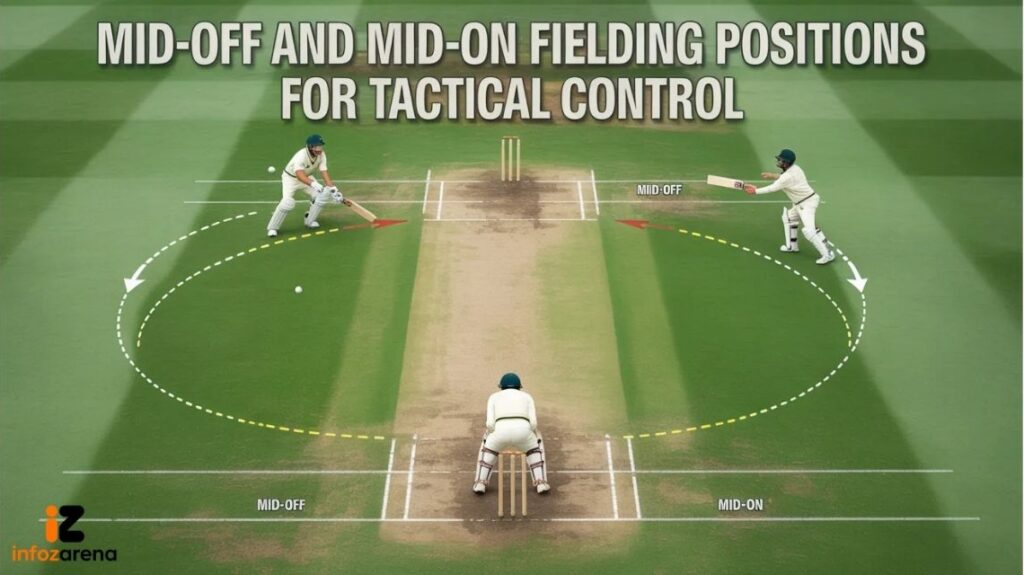
Mid-off and mid-on are central fielding positions in modern cricket. They are placed straight down the ground. These positions stop straight drives and support the bowler. In professional cricket, captains adjust them for better tactical control. They play a role in both attacking and defensive fielding strategies. Smart cricket field placement here helps limit easy runs.
Square Leg and Fine Leg Fielding Positions Breakdown
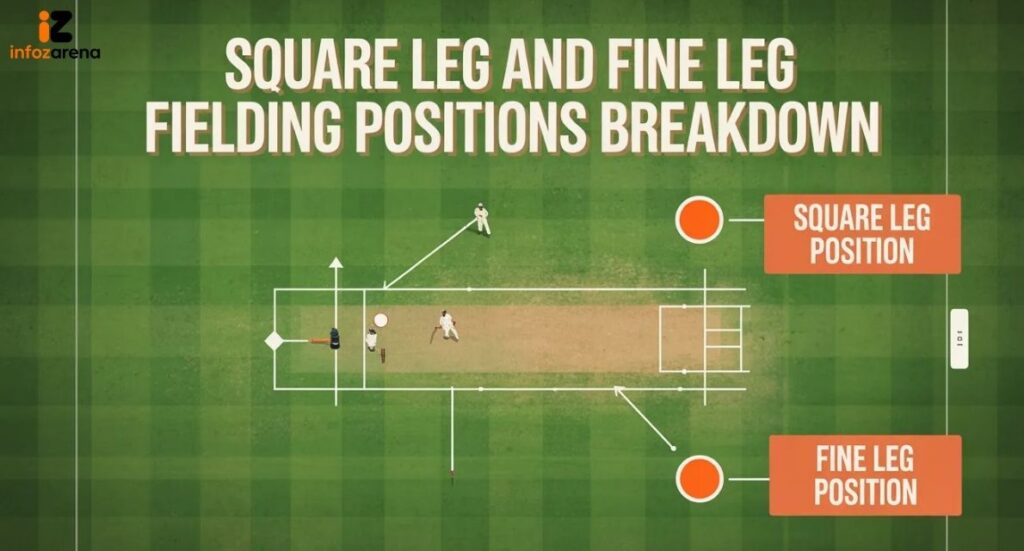
Square leg and fine leg are key fielding positions on the leg side. Square leg stands near the umpire and watches pull shots. Fine leg is placed deeper to save runs. In modern cricket fielding, these positions help control leg-side scoring. Limited overs cricket and powerplay fielding rules require them. Good positioning helps prevent easy boundaries.
Midwicket Fielding Position and Boundary Protection
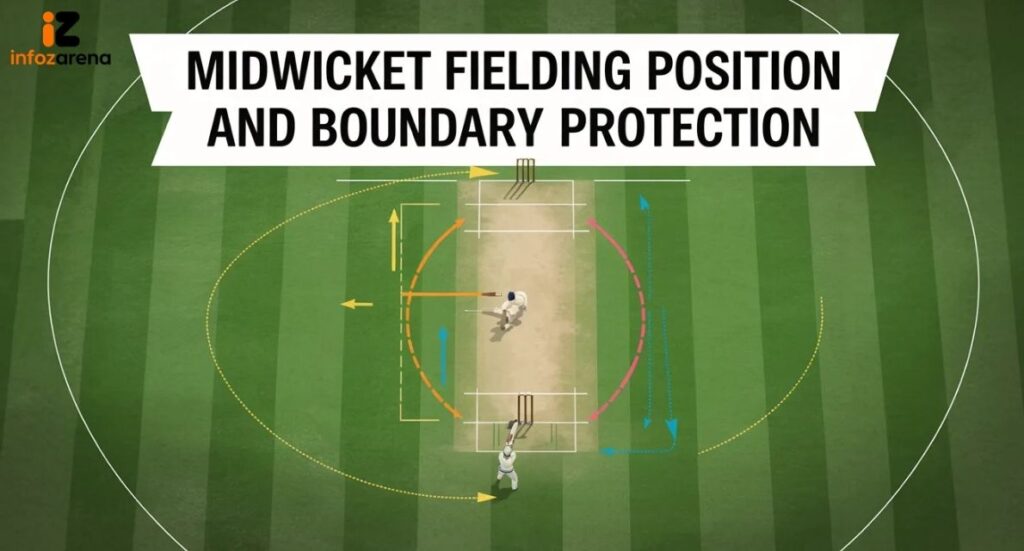
Midwicket is an important fielding position on the leg side. It is placed between square leg and mid-on. This position helps stop powerful shots and protect the boundary. In modern cricket fielding, midwicket is used in both T20 and ODI matches. Athletic fielders here can save runs and support defensive strategies. Smart cricket field placement at midwicket is key in controlling the game.
Third Man Fielding Position in Powerplay Overs
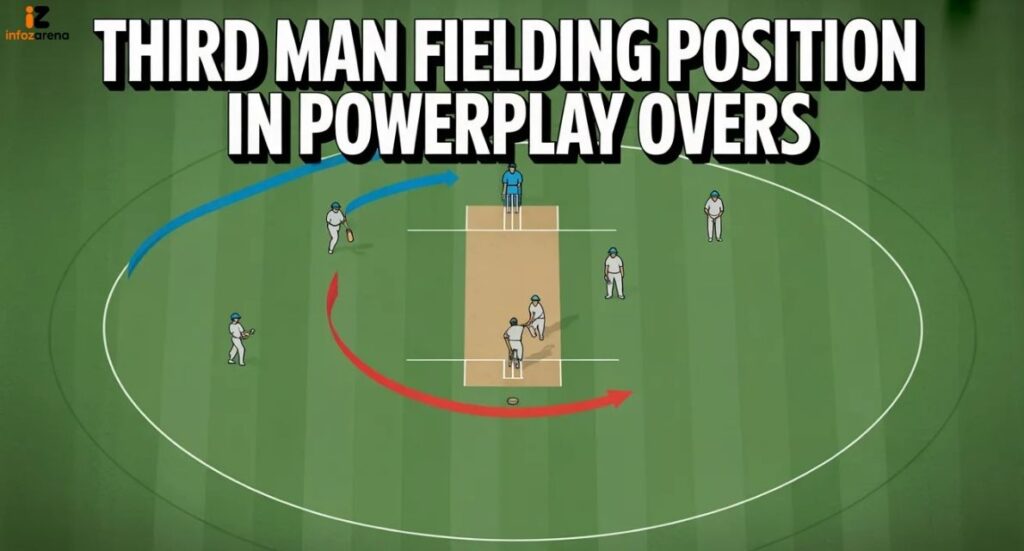
Third man is an important fielding position behind the batter on the off side. It covers edges from fast bowlers. In modern cricket fielding, this position is key during powerplay overs. It helps save runs and stop boundaries. Athletic fielders here support smart cricket field placement and defensive strategies. Third man is crucial in controlling scoring in limited overs cricket.
Long-On and Long-Off Fielding Positions in Death Overs
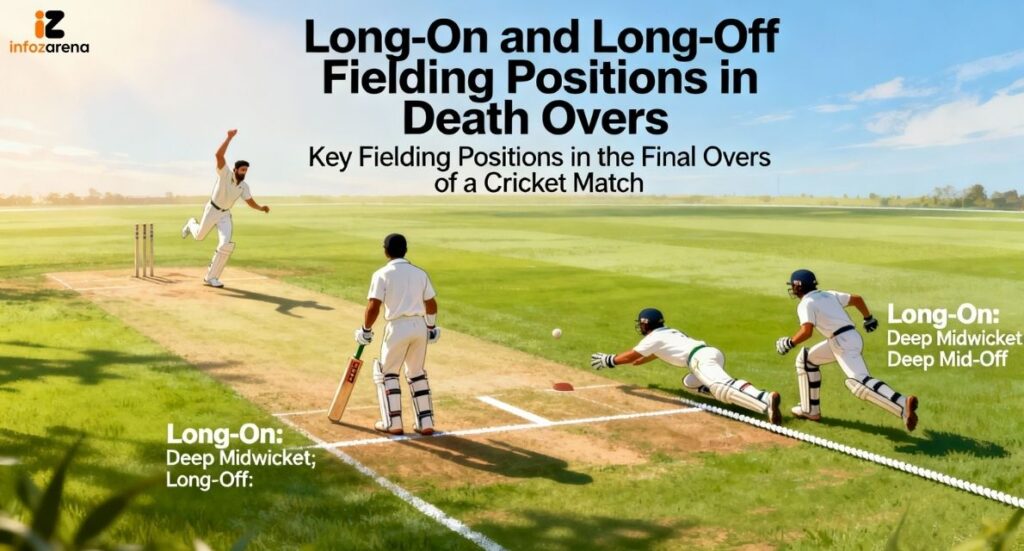
Long-on and long-off are crucial fielding positions in the death overs. They are placed near the boundary straight down the ground. These positions stop big shots and save boundaries. In modern cricket fielding, strong arms and quick reactions are needed here. Smart cricket field placement at long-on and long-off helps control scoring in T20 and ODI matches. They are key for defensive strategies in limited overs cricket.
Deep Fielding Positions and Modern Defensive Strategies
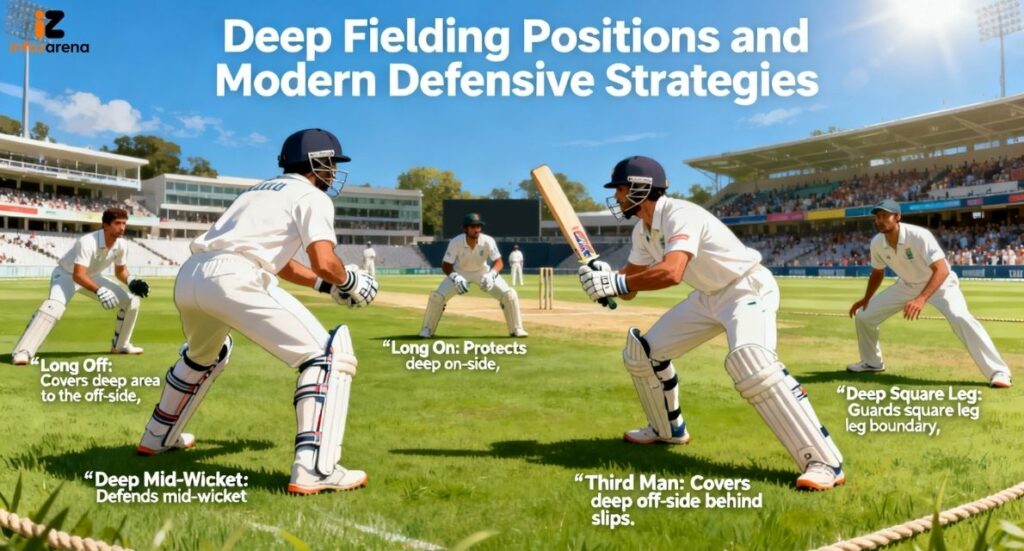
Deep fielding positions are important fielding positions in modern cricket. They are placed near the boundary to stop big hits. These positions help save runs and protect the field. In professional cricket, deep fielders are key to defensive strategies. Smart cricket field placement in deep positions controls scoring and supports limited overs tactics. Athletic fielders here make a big difference in modern cricket matches.
Conclusion
Understanding these fielding positions is key to enjoying and analyzing modern cricket. Knowing where each fielder stands helps you see smart cricket field placement and defensive strategies in action.
By mastering these positions, you can follow games like a pro and appreciate international cricket tactics. Good fielding makes a big difference in limiting runs and saving boundaries in T20, ODI, and Test matches.
FAQ’s
1. Fielding positions in cricket
These are the places where players stand to stop runs or take catches during a game.
2. Cricket fielding positions 11 players
There are 11 players, including positions like slip, gully, point, cover, mid-on, mid-off, square leg, fine leg, midwicket, third man, and long-on/off.
3. Cricket fielding positions in powerplay
Read the article above, the answer is present in “Third Man Fielding Position in Powerplay Overs”.
4. T20 fielding positions
In T20, fielders are placed for fast scoring control, like deep fielders, slips, covers, midwicket, and long-on/off.
5. Fielding positions in cricket for right handed batsman
Read the article above, the answer is present in all sections explaining off-side and leg-side positions.

Hi, I’m Ahmed, the voice behind Infozarena. I love exploring topics that inspire growth — whether it’s about faith, health, or the latest in sports. My goal is to share valuable information that makes your everyday life better.