

Introduction
Many people feel confused by how fast finance technology is changing today. You may be hearing new terms and tools but not fully understand how they work. FTAsiaFinance Technology often comes up in these searches. It sparks curiosity and raises questions about the future of digital finance.
In this guide, 7 Powerful Insights into FTAsiaFinance Technology Today, you will get clear and simple explanations. This blog breaks down the digital finance ecosystem and key fintech architecture ideas in easy language. You will learn how technology-driven finance is shaping modern markets. By the end, FTAsiaFinance Technology will feel much easier to understand and relevant to your needs.
The Core Architecture Behind FTAsiaFinance Technology
FTAsiaFinance Technology is built on a strong financial technology infrastructure. It uses a modern fintech architecture model that supports speed, security, and growth. This digital finance ecosystem connects modular fintech systems with cloud-native platforms. It allows financial software platforms to work smoothly together. As a result, technology-driven finance becomes more flexible and scalable for businesses.
The architecture of FTAsiaFinance Technology also supports real-time data flow and secure transactions. It helps organizations upgrade legacy systems without major disruption. By using a scalable financial platform, companies can adapt quickly to market changes. This makes FTAsiaFinance Technology a reliable foundation for long-term digital finance innovation.
Key Technologies Powering FTAsiaFinance Technology Innovation
FTAsiaFinance Technology is driven by emerging fintech technologies that support smarter financial systems. Artificial intelligence in finance plays a key role in automation and decision making. Machine learning algorithms help analyze patterns and improve accuracy. These tools power intelligent financial systems that adapt to user needs. Together, they form the base of next-generation finance technology.
Blockchain technology also strengthens FTAsiaFinance Technology by improving security and transparency. Cloud computing platforms allow fast processing and easy scaling. Embedded finance solutions help businesses offer financial services directly to users. This combination of innovation tools makes financial innovation faster, safer, and more efficient across digital finance platforms.
How FTAsiaFinance Technology Is Transforming Asian Markets
FTAsiaFinance Technology is changing how Asian financial markets operate. It supports digital finance transformation across banks, fintech firms, and payment platforms. Many regions are seeing faster fintech adoption in Asia due to mobile-first solutions. Digital banking Asia is growing as users demand easy and secure services. This shift is helping build strong fintech ecosystems across the region.
FTAsiaFinance Technology also improves access to cross-border financial services. It enables mobile payment solutions and supports regional fintech growth. Small businesses and individuals benefit from better financial inclusion initiatives. As a result, Asian markets are becoming more connected, efficient, and technology-driven through modern digital finance systems.
Data, AI, and Analytics in FTAsiaFinance Technology Systems
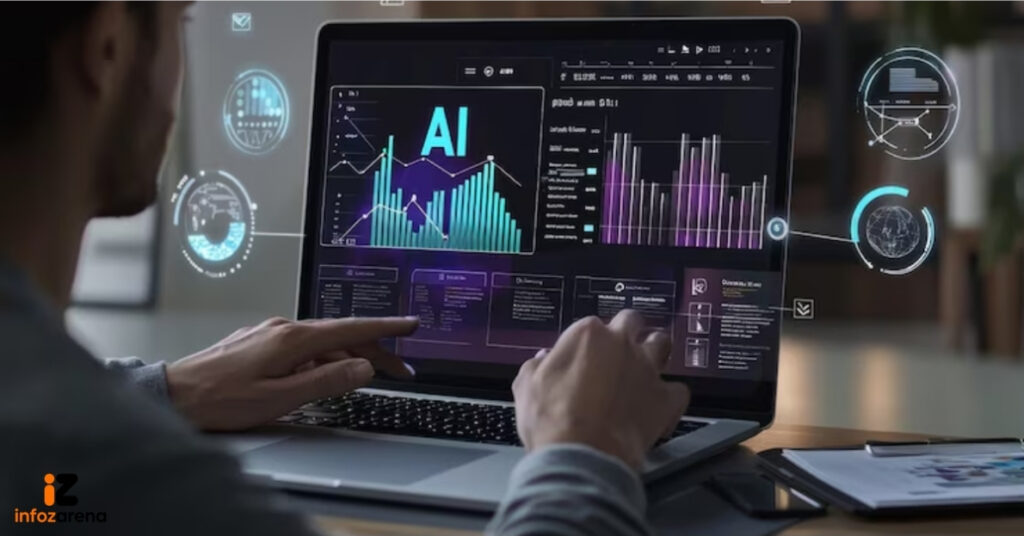
FTAsiaFinance Technology relies heavily on data to power smart financial decisions. It uses big data in finance to collect and process large amounts of information. AI-driven financial insights help businesses understand user behavior. Predictive financial analytics improve planning and forecasting. This data-powered decision making makes financial systems faster and more accurate.
Artificial intelligence in FTAsiaFinance Technology also supports real-time financial data analysis. Behavioral analytics help detect unusual activity and reduce risk. Advanced fraud detection systems protect users and platforms. Automated financial analysis improves efficiency across digital finance operations. Together, data, AI, and analytics create intelligent and reliable financial systems.
Security, Risk Management, and Compliance in FTAsiaFinance Technology
FTAsiaFinance Technology focuses strongly on secure fintech platforms. It uses advanced cybersecurity in finance to protect systems and users. Financial data protection is built into every layer of the platform. Risk mitigation strategies help reduce fraud and system failures. This creates trust in technology-driven finance environments.
FTAsiaFinance Technology also follows strict regulatory compliance frameworks. It supports AML and KYC compliance to meet global standards. Data privacy regulations are handled through strong governance and controls. Cyber threat prevention tools monitor activity in real time. This approach ensures safe and compliant digital finance operations.
Business Adoption Strategies for FTAsiaFinance Technology
FTAsiaFinance Technology adoption starts with a clear digital transformation roadmap. Businesses focus on fintech implementation strategies that match their goals. Many companies choose fintech integration to connect new tools with existing systems. Legacy system modernization helps reduce cost and improve speed. This makes digital finance deployment smoother and more effective.
Cloud migration strategy also plays a key role in FTAsiaFinance Technology adoption. Scalable business solutions allow companies to grow without limits. Fintech for enterprises improves efficiency across operations. With the right planning, organizations can adopt technology-driven finance with lower risk and higher returns.
Future Trends Shaping the Evolution of FTAsiaFinance Technology
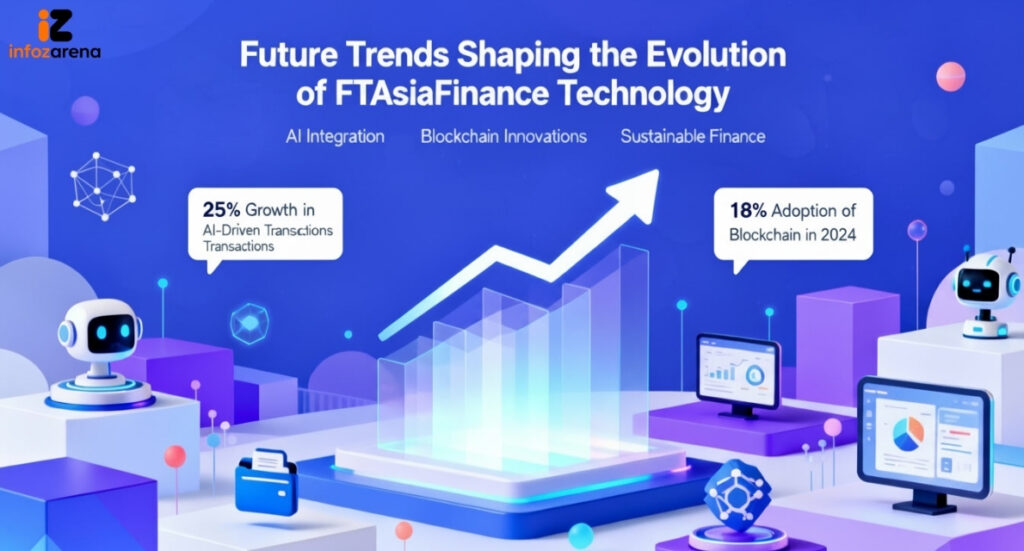
FTAsiaFinance Technology is evolving with fast-changing financial technology trends. AI-powered finance is becoming more advanced and widely used. Institutions are adopting sustainable fintech to support responsible growth. Green finance technology is gaining attention in modern digital finance systems. These trends are shaping the future of fintech across global markets.
FTAsiaFinance Technology is also influenced by innovation-driven finance tools. Quantum computing finance may improve speed and security in the future. Cross-border fintech expansion will support global payments and services. As technology advances, the future of fintech will focus on smarter, faster, and more secure financial solutions.
Conclusion
FTAsiaFinance Technology is changing the way modern finance works. It combines smart fintech architecture, AI-driven financial insights, and secure digital finance systems. These innovations support faster services and better decision making. Technology-driven finance is now more connected and efficient.
As financial technology trends continue to grow, FTAsiaFinance Technology will play a bigger role in the future of fintech. With scalable platforms, strong security, and data-powered decision making, it supports long-term innovation. This digital finance ecosystem is shaping smarter and more reliable financial services worldwide.
FAQ’s
Q1: What is the meaning of fintech technology?
A: Fintech technology means using digital tools and software to improve financial services like payments, banking, and investing.
Q2: What are the 5 key technologies in fintech?
A: The five key technologies are artificial intelligence, blockchain, cloud computing, data analytics, and embedded finance.
Q3: What are the examples of financial technology?
A: Examples include mobile payment apps, digital banking platforms, online lending systems, and fraud detection tools.
Q4: What technology is used in finance?
A: Finance uses technologies like AI, big data analytics, cloud platforms, cybersecurity tools, and blockchain.
Q5: What are the 4 areas of FinTech?
A: Read the article above, the answer is present in the “How FTAsiaFinance Technology Is Transforming Asian Markets” part of the article.

Hi, I’m Ahmed, the voice behind Infozarena. I love exploring topics that inspire growth — whether it’s about faith, health, or the latest in sports. My goal is to share valuable information that makes your everyday life better.








[…] FTAsiaTrading Technology uses artificial intelligence trading systems to help traders understand the market faster. It applies machine learning algorithms to study real-time market data and spot patterns that are hard to see manually. With predictive market analysis, the platform turns complex data into clear, AI-driven insights. These intelligent trading systems support data-driven trading and improve decision-making for both new and experienced users. […]