

Introduction
Have you ever wanted to start your own online service business but didn’t know where to begin? Many people feel stuck trying to connect local workers with customers. It can be frustrating when skilled service providers can’t find clients, and customers struggle to find trusted help. That’s where a Digital Micro-Services Platform comes in. It solves real problems, connects people, and creates opportunities in the gig economy.
In this post, we will show you 7 powerful steps to start a Digital Micro-Services Platform. You will learn how to choose profitable services, build a strong business model, and use technology to make your platform work smoothly. We will also cover marketing strategies, scaling tips, and ways to grow your platform. By the end, you will have a clear plan to start a service-based startup in the digital economy and reach more customers efficiently.
Understanding the Basics of a Digital Micro-Services Platform
A Digital Micro-Services Platform is an online service marketplace that connects customers with skilled local service providers. It is a type of platform-based business that allows digital entrepreneurship in the growing gig economy. These platforms make it easier for people to find services quickly and for service providers to earn income. A Digital Micro-Services Platform helps reduce inefficiencies in local services and creates a customer-focused ecosystem.
Key features of a Digital Micro-Services Platform include:
- Easy access to high-demand services like tutoring, repairs, and freelance work
- A secure and user-friendly interface for both customers and providers
- Real-time booking and service tracking
- Ratings and reviews to build trust
- Scalable technology that can grow with demand
This kind of platform supports technology-driven business and allows a small service-based startup to compete in the digital economy. By using cloud-based infrastructure and smart design, a Digital Micro-Services Platform can efficiently manage multiple service providers and customers at the same time. It is the foundation of many modern online microservices businesses.
Identifying Market Problems for a Digital Micro-Services Platform
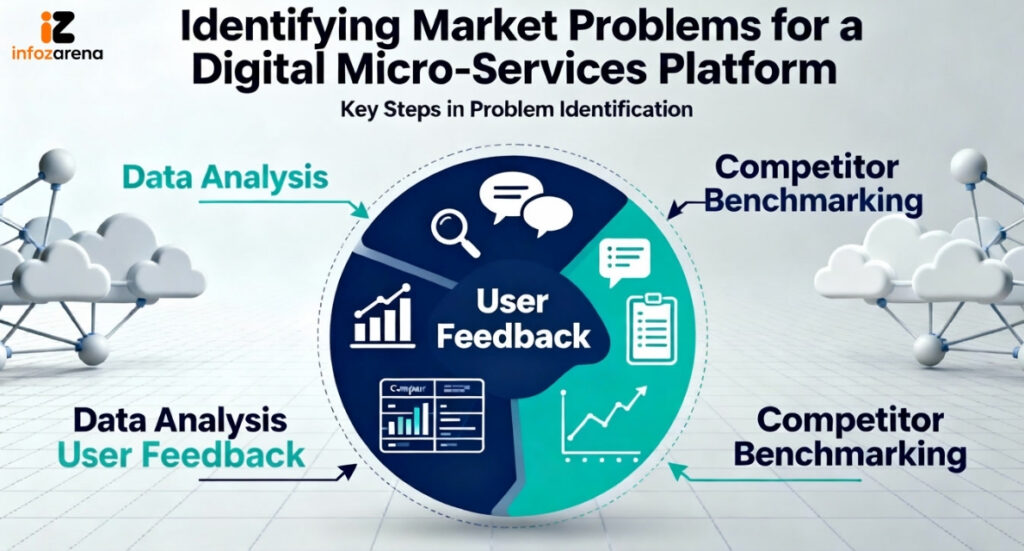
Before starting a Digital Micro-Services Platform, it is important to understand the market problems. Many customers face difficulties finding trusted local service providers. There are gaps in service accessibility, slow response times, and poor quality in some areas. A Digital Micro-Services Platform solves these issues by connecting customers with skilled workers quickly and efficiently. Market research helps identify customer pain points and unmet service needs, which is key for building a successful platform.
Common market problems that a Digital Micro-Services Platform can solve include:
- Difficulty in finding reliable local services
- Lack of transparency and trust between customers and providers
- Limited access to on-demand skill-based services
- High inefficiency in traditional service methods
- Challenges in booking and payment systems
By addressing these problems, a Digital Micro-Services Platform can provide a customer-centric platform that improves service discovery, increases trust, and supports digital entrepreneurship in the local and online marketplace.
Selecting Profitable Services for a Digital Micro-Services Platform

To succeed, a Digital Micro-Services Platform must offer services that are in high demand and profitable. Choosing the right services attracts more customers and helps local workers earn income. Popular options include tutoring, repairs, freelance work, and skill-based services. Focusing on income-generating services and on-demand skills makes the platform more effective and scalable in the digital economy.
Profitable services to consider:
- Tutoring and online lessons
- Plumbing, electrical, and home repair
- Freelance digital services like design or writing
- Mobile or computer repair
- Tailoring and personal care services
Creating a Strong Business Model for a Digital Micro-Services Platform
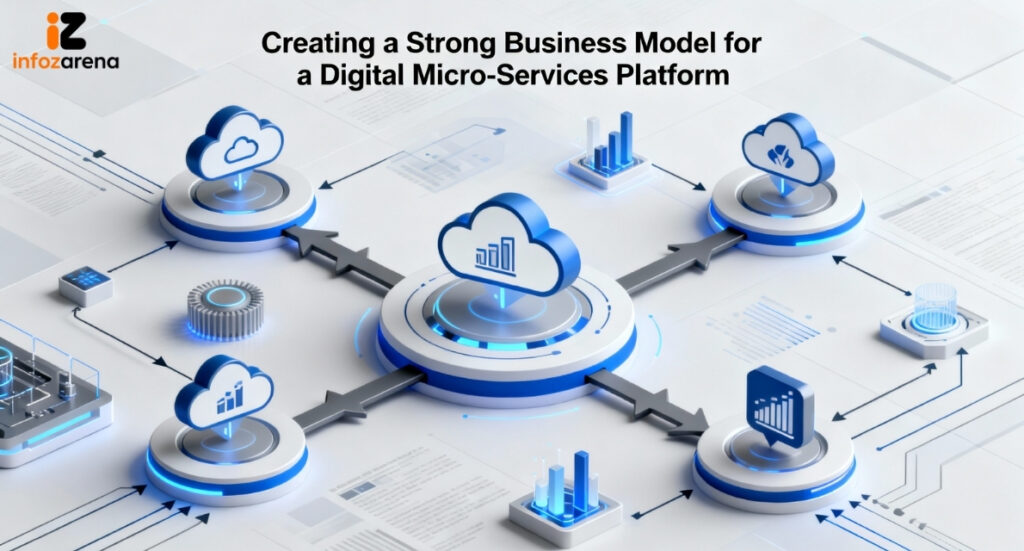
A Digital Micro-Services Platform needs a clear business model to succeed. A strong business model helps generate revenue and attract both customers and service providers. Common strategies include commission-based models, subscription pricing, and premium services. A clear value proposition shows why customers should use the platform. Focusing on sustainable business growth ensures the platform can scale over time and compete in the digital economy.
The business model should also support the gig economy and skill-based services. Using platform revenue streams and pricing strategies helps maintain profitability. Entrepreneurs can combine service monetization with customer trust features, like ratings and reviews, to make the platform more reliable. A well-designed business model allows a small service-based startup to grow into a scalable and technology-driven business.
Building Technology for a Digital Micro-Services Platform

A Digital Micro-Services Platform needs strong technology to work smoothly. A good platform should have a user-friendly interface, fast performance, and secure transactions. Mobile-first design is important because many users prefer apps. Features like booking systems, online payments, and ratings make the platform reliable. Using cloud-based infrastructure and smart backend design ensures the platform can handle many customers and service providers at the same time. Technology helps a service-based startup grow and compete in the digital economy.
Marketing and Promoting a Digital Micro-Services Platform
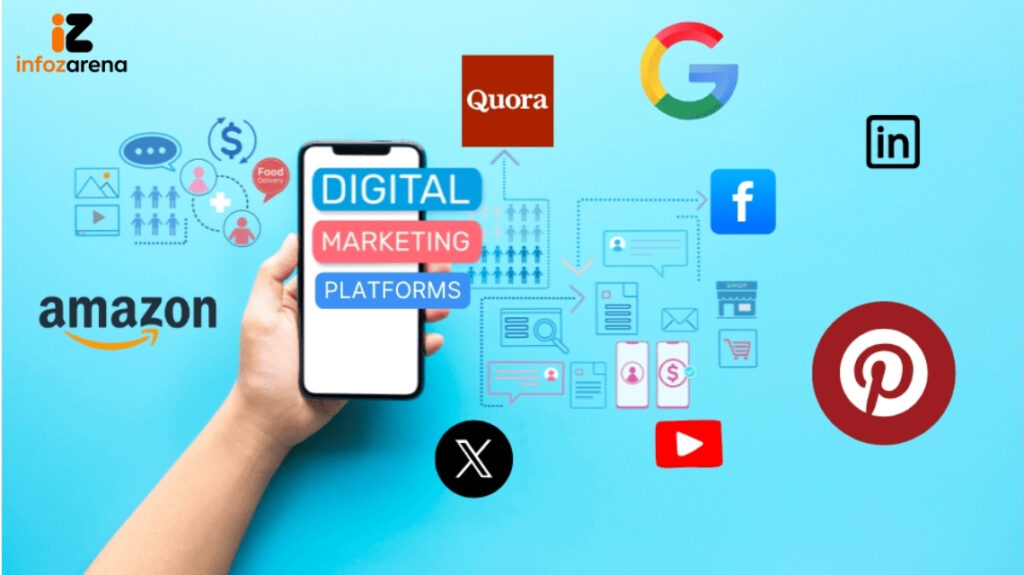
Promoting a Digital Micro-Services Platform is important to attract users and grow the business. Digital marketing helps reach more customers and build trust. Social media, SEO, and content marketing are effective ways to increase visibility. Referral programs and email campaigns can boost engagement. A strong promotion strategy helps a service-based startup succeed in the digital economy and the gig economy.
Key marketing strategies include:
- Social media marketing on Facebook, Instagram, and LinkedIn
- SEO marketing to appear in search results
- Content marketing through blogs and videos
- Referral programs to encourage word-of-mouth
- Email marketing for customer engagement
Scaling and Growing a Digital Micro-Services Platform
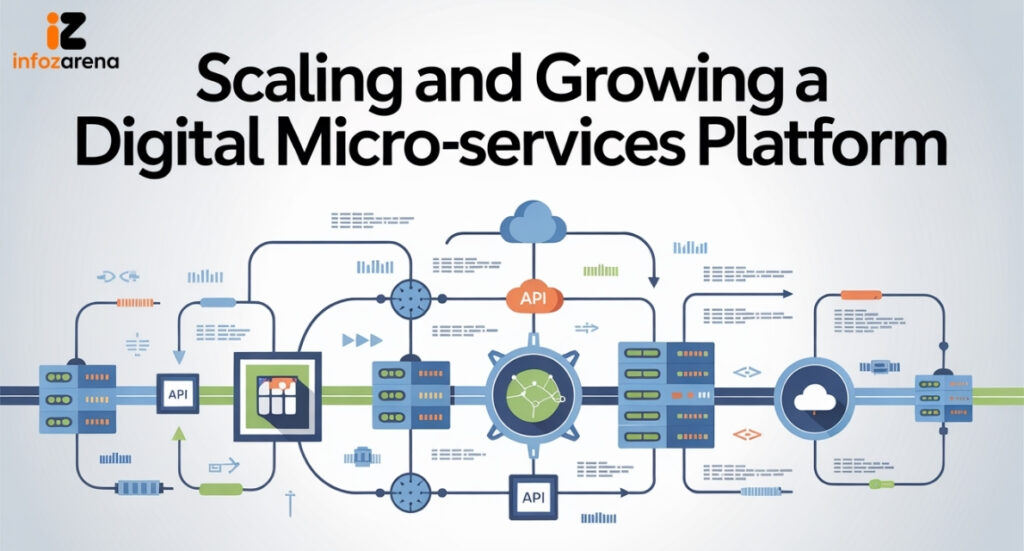
A Digital Micro-Services Platform can grow by adding more services and reaching new markets. Scaling requires strong technology, efficient processes, and good customer support. Using data and analytics helps make smart decisions. Automation tools and cloud infrastructure make the platform faster and more reliable. A scalable platform can support many users and service providers, making it a technology-driven business in the digital economy.
Ways to scale a Digital Micro-Services Platform:
- Expand service categories to meet more customer needs
- Enter new cities or regions for more users
- Use performance analytics to improve the platform
- Automate booking, payments, and customer support
- Invest in marketing and user acquisition strategies
Conclusion
A Digital Micro-Services Platform is a smart way to start a service-based startup in the digital economy. It connects local service providers with customers and solves real problems. By following the 7 powerful steps, anyone can build a reliable and scalable platform.
With the right technology, business model, and marketing strategy, your platform can grow fast. Using analytics, automation, and customer feedback makes the platform stronger. A Digital Micro-Services Platform can create opportunities, support the gig economy, and help you succeed in today’s technology-driven business world.
FAQ’s
Q1: What is a Digital Micro-Services Platform?
A: It is an online service marketplace that connects customers with local skilled service providers.
Q2: How can I start a Digital Micro-Services Platform?
A: Follow steps like choosing profitable services, building a strong business model, and using the right technology.
Q3: What services can I offer on a Digital Micro-Services Platform?
A: Popular options include tutoring, home repairs, freelance digital services, and other skill-based on-demand services.
Q4: How can a Digital Micro-Services Platform make money?
A: Through commission fees, subscriptions, premium services, and other monetization strategies for a scalable business.
Q5: How can I grow and scale my Digital Micro-Services Platform?
A: Expand services, enter new regions, use analytics, automation, and marketing strategies to reach more customers.

Hi, I’m Ahmed, the voice behind Infozarena. I love exploring topics that inspire growth — whether it’s about faith, health, or the latest in sports. My goal is to share valuable information that makes your everyday life better.








Very bad good